Posted on 18/05/2026
Westminster Council Rules for Floral Displays in Mayfair: A Practical Guide
Floral displays in Mayfair can do a lot more than make a doorway look lovely. They can soften a frontage, lift a corporate lobby, frame a wedding entrance, or turn a quiet memorial into something visibly cared for. But in Westminster, beauty has to sit comfortably alongside public realm rules, highway considerations, and building management expectations. That's where understanding the Westminster Council rules for floral displays in Mayfair really matters.
If you are planning flowers outside a townhouse, decorating a shopfront, arranging a seasonal window feature, or setting up large event florals, you need to think about more than the arrangement itself. You need to think about where it sits, how long it stays, whether it creates a trip risk, whether it blocks access, and whether permission is needed. In Mayfair, those details are not just admin. They are the difference between a smooth installation and a frustrating removal request.
This guide breaks the subject down in plain English. It explains how council oversight typically works, what to watch for, how to stay compliant, and how to make a floral display look refined rather than overdone. If you are sourcing arrangements for an event or business setting, you may also find it useful to look at a local florist in Mayfair, or explore flower shops serving Mayfair for practical support.
Why Westminster Council rules for floral displays in Mayfair Matters
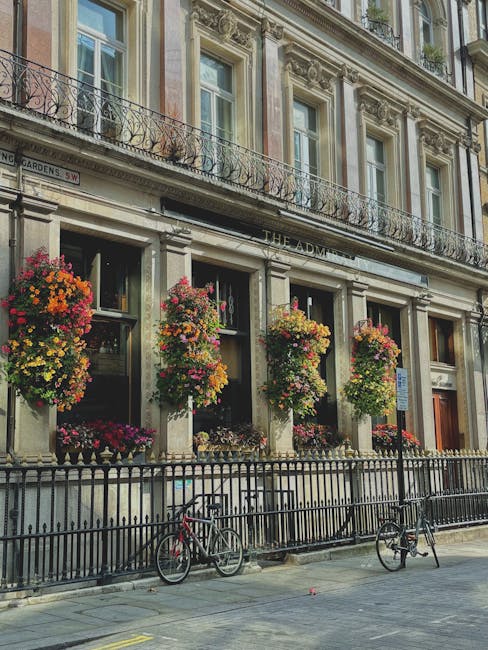
Mayfair is one of those London neighbourhoods where the standard is quietly high. The pavements are busy, the architecture is closely managed, and frontage space is often limited. A floral display that looks elegant in a sketch can become a nuisance fast if it spills into the footway, catches the wind, or confuses pedestrians trying to pass by a doorway.
Westminster Council's approach is generally shaped by a few practical concerns: keeping public routes clear, maintaining sightlines, protecting access for residents and visitors, and avoiding damage to the street or building fabric. That means the question is not just, "Does it look good?" It is also, "Does it work safely in the real world?"
For businesses, this matters because a well-managed floral frontage can support your brand without creating friction. For private events, it helps avoid awkward last-minute changes. For property managers, it reduces complaints from neighbours or service teams. In truth, the best displays are usually the quietest ones from a compliance perspective - the kind no one notices for the wrong reasons.
There is also a reputational side to it. In Mayfair, a floral feature is often part of a first impression. If it feels messy, blocked, or temporary in the wrong way, that affects how people view the venue or property. A polished display, on the other hand, can feel like a natural extension of the place itself.
If your floral plans are tied to a delivery or same-day setup, the operational side matters too. A dependable same-day flower delivery in Mayfair can be helpful when a display needs a quick refresh, while next-day flower delivery is often better for planned installations that need a little breathing room.
How Westminster Council rules for floral displays in Mayfair Works
There is no single "flower display rule" that covers every situation. Instead, compliance usually depends on location, size, permanence, and impact. A small vase arrangement inside a private entrance has a very different profile from a large fixed floral installation projecting onto a public pavement.
At a practical level, you should think in layers:
- Private interior display: usually the simplest case, especially if it stays fully inside the building.
- Threshold or entrance display: often acceptable if it does not obstruct access or create a hazard.
- External decorative display: more likely to raise questions if it reaches the public highway or affects neighbouring properties.
- Temporary event florals: may be manageable for weddings, launches, or receptions, but timing and removal matter.
- Semi-permanent or fixed installations: usually need the most care, because they can trigger additional consent or management review.
In Mayfair, the building owner, managing agent, event organiser, and florist may all need to align. That can feel a bit much, but it is normal. One person's "simple flower wall" is another person's "who approved this on the pavement?" and, well, that conversation is best avoided.
In many cases, the safest approach is to treat the public realm as shared space and keep floral arrangements clearly within approved boundaries unless you have explicit permission. A florist familiar with central London settings can help design around those limits rather than trying to fight them.
For larger personal or business occasions, it can also help to use an established local service such as flower delivery in Mayfair or sending flowers in Mayfair, especially when the timing has to be precise and the placement has to be respectful of access.
Key Benefits and Practical Advantages
Following the rules does more than keep you out of trouble. It actually improves the final result. A display that fits properly into the space tends to look more refined, last longer, and draw less attention for the wrong reasons.
- Smoother approvals: fewer delays when a building manager, concierge, or landlord needs to review the setup.
- Lower risk of removal: compliant arrangements are far less likely to be moved, clipped, or taken down.
- Better pedestrian flow: guests, residents, and passers-by can move comfortably without feeling squeezed.
- Stronger presentation: a well-placed display reads as elegant and intentional, not improvised.
- Less damage: thoughtful positioning reduces water spills, stem crush, and contact with hot sun, wind, or traffic.
There is also a commercial benefit. For restaurants, galleries, boutiques, and offices in Mayfair, floral styling can support the premium feel of the space without shouting for attention. That is a delicate balance, to be fair, but when it works, it really works.
And if you are working with a limited budget, compliance still matters. A smaller, well-chosen arrangement often looks better than a bigger one that ignores the setting. That is one reason many customers prefer cheap flowers in Mayfair for practical displays rather than oversized arrangements that are harder to manage.
For inspiration across different display styles, you can also browse best flower delivery options in Mayfair, especially if you want something polished but still easy to coordinate.
Who This Is For and When It Makes Sense
This topic matters to a wider group than people usually expect. It is not just for event planners, and it is not just for florists.
- Mayfair businesses: shops, hotels, salons, restaurants, private member venues, galleries, and offices.
- Property managers: those responsible for frontages, courtyards, and shared entrances.
- Event organisers: planners handling launches, receptions, brand activations, or private celebrations.
- Wedding couples: especially if the ceremony or reception uses entrances, steps, balconies, or exterior decor.
- Families and individuals: when flowers are being placed for funerals, anniversaries, memorials, or special occasions.
It also makes sense whenever the display is visible from the street, touches a shared area, or stays in place long enough to become part of the environment. A few fresh stems in a vase inside a foyer? Usually straightforward. A floral arch or standing arrangement by a doorway? That is where you pause and check the details.
For weddings, this is especially relevant because there is often a lot going on at once: transport, guests, photography, buttonholes, table flowers, and entrance styling. A coordinated approach through wedding flowers in Mayfair can help keep the design consistent while staying realistic about the venue's rules.
Funerals and sympathy arrangements need a different tone altogether. They are often about dignity and ease of placement, not visual drama. If that is your situation, a specialist service like funeral flowers in Mayfair is usually the right place to start.
Step-by-Step Guidance
If you are not sure where to begin, use this simple process. It keeps the planning tidy and avoids those awkward "we've already ordered it" moments.
- Define the purpose of the display. Is it for branding, celebration, remembrance, hospitality, or a one-off event?
- Check the exact location. Interior foyer, doorway, pavement edge, courtyard, window ledge, or shared entrance each raises different issues.
- Measure the available space. Note width, depth, door swing, wheelchair access, and any step or slope.
- Decide whether the display is temporary or longer-term. Temporary setups are often easier to manage, but still need clear timing and removal plans.
- Speak to the relevant person early. That might be a concierge, landlord, building manager, or venue contact.
- Choose an arrangement that fits the space. Tall, wide, scented, delicate, or low-profile all behave differently.
- Plan water management and transport. This is the bit people forget. It is never glamorous, but it matters.
- Confirm delivery and installation timing. If the display needs a tight window, arrange it carefully and allow for traffic delays.
- Inspect the finished setup. Check stability, visibility, access, and whether anything needs trimming.
- Set a removal or refresh schedule. Especially for hot weather or long-running displays, freshness and cleanliness are part of compliance too.
A practical example: if a boutique wants flowers to flank the entrance for a product launch, a low, balanced pair of arrangements usually works better than one oversized piece. The entrance remains clear, photographs still look good, and nobody trips over a trailing stem at closing time. Everybody wins. Rare, but lovely when it happens.
Expert Tips for Better Results
The best floral displays in Mayfair feel considered. They do not try too hard. Here are a few things that make a real difference.
- Keep the scale honest: match the arrangement to the doorway, room, or frontage. Small spaces need restraint.
- Choose sturdy flowers where needed: lilies, roses, chrysanthemums, alstroemeria, and carnations can all work well depending on the brief.
- Use containers that sit securely: wobble is never elegant.
- Think about scent: lovely in moderation, overwhelming in a tight entrance.
- Plan for weather: sun, wind, and rain can alter the look of outdoor or threshold displays quickly.
- Use colour deliberately: white, pink, and mixed-colour schemes tend to feel refined in Mayfair, while strong red or yellow can be more expressive.
- Refresh before things droop: the clean, early part of the day often gives the best presentation.
For businesses, it can help to keep a repeatable style guide. For example, one building might use white and green for receptions, mixed colours for celebrations, and more muted tones for sympathy occasions. That consistency saves time and keeps things looking cohesive.
You can also lean on seasonal and occasion-based choices. Browse luxury flowers when presentation is central, or flowers in a vase when you want a safer, neater option for interior spaces.
And if your display is meant to feel genuinely local, a dependable Mayfair flower shop can advise on what tends to work in central London buildings. That insight is often worth more than any fancy mood board, truth be told.
Common Mistakes to Avoid
Most problems come from simple oversights, not bad intentions. The biggest errors are usually the easiest to prevent.
- Assuming the display is "just decorative." If it affects access, visibility, or public space, it matters.
- Ignoring building rules. Westminster compliance and lease or venue rules are not the same thing.
- Ordering before approval. This is a classic headache. Lovely flowers, wrong timing.
- Using unstable stands or containers. Especially risky near doors, stairs, or foot traffic.
- Blocking signage or entrance hardware. A floral frame should frame, not hide the essentials.
- Choosing delicate blooms for a hard-working location. Some arrangements are beautiful but simply not robust enough.
- Leaving the installation up too long. Wilted flowers can make a premium space look tired very quickly.
Another subtle mistake is forgetting the aftercare. A display can be compliant on day one and a nuisance by day three if it sheds water, leans, or starts to collapse. So yes, the setup matters, but maintenance matters almost as much.
If you need reliable support with timing and freshness, next-day flower delivery in Mayfair can help you stay on schedule without rushing the design decision. When the clock is tight, that calm extra day can save the whole arrangement.
Tools, Resources and Recommendations
You do not need a complicated toolkit, but you do need a few basics in place. The goal is to make decision-making easier and reduce surprises on the day.
- Measuring tape: useful for doors, thresholds, plinths, and reception areas.
- Photo references: snap the site from several angles before ordering anything.
- Simple placement plan: mark where each arrangement will sit and how it will be removed.
- Delivery window notes: especially important for tight streets and concierge-managed buildings.
- Care instructions: water, temperature, and whether the flowers can survive full-day display.
On the supplier side, it helps to work with pages that match the exact need rather than making do with a random bouquet. For example, if you are planning a table setup, look at table arrangements for weddings or broader wedding florals. If the brief is more personal, seasonal categories like birthday flowers or sympathy flowers can keep the message clear.
When the display needs a broader support plan, a local florist page such as florist Mayfair W1K is often the best starting point because it keeps the logistics and the style in one place.
Law, Compliance, Standards, or Best Practice
It is worth being careful here. Council rules, permissions, and property requirements can vary depending on the exact location and the nature of the display. The safest general rule is simple: do not assume anything visible from the street is automatically allowed.
In practice, compliance usually touches several areas:
- Public access: routes for pedestrians, wheelchair users, and prams should remain clear.
- Trip and obstruction risk: anything extending into a path needs real scrutiny.
- Permission and ownership: the person placing the flowers may not be the person allowed to approve them.
- Fire safety and ingress/egress: floral items should not interfere with exits or emergency movement.
- Condition of the site: water leaks, debris, and damaged flooring can become a problem quickly.
Best practice is to document approvals, keep a record of placement, and plan a clear removal time. If a display is temporary, make that temporary status obvious. If it is a repeat installation, review it each time rather than assuming last month's approval still applies.
For customers who want a reliable, non-fussy finish, service details like delivery information, guarantees, and terms and conditions help set expectations before anything arrives on site. It sounds dull. It isn't, really. It saves arguments later.
If sustainability is part of the brief, it can also be sensible to review sustainability information and choose arrangements that suit the setting without excess waste.
Options, Methods, or Comparison Table
Different floral display methods suit different settings. A quick comparison helps narrow down what makes sense in Mayfair.
| Display Type | Best For | Compliance Risk | Practical Notes |
|---|---|---|---|
| Interior vase arrangements | Offices, receptions, homes, private dining | Low | Easiest to manage; good for regular refreshes |
| Doorway arrangements | Boutiques, salons, hospitality entrances | Medium | Must avoid blocking access or door swing |
| Pavement-facing installations | Events, launches, seasonal activations | Higher | Usually need extra review, clear boundaries, and removal planning |
| Wedding florals | Ceremonies, receptions, photography points | Medium | Needs coordination with venue rules and guest flow |
| Tributes and memorial flowers | Funerals, memorials, remembrance spaces | Usually lower, but context matters | Placement should stay respectful and unobtrusive |
If you need a straightforward, low-risk option, vase arrangements or baskets are often the best starting point. For example, baskets and posies can feel elegant without creating the same footprint as a standing installation.
Case Study or Real-World Example
Imagine a Mayfair gallery hosting a private evening preview. The team wants floral styling at the entrance, one arrangement inside the lobby, and a small feature near the cloakroom. Simple enough on paper. But the entrance is narrow, the building shares access with residents upstairs, and the pavement outside gets busy around 6 p.m. That is where planning pays off.
Instead of a large archway, the organiser chooses two compact pedestal arrangements just inside the doors. They are visible from the street, but they do not interfere with pedestrian flow. A third, low arrangement sits on a side console away from traffic. The florist delivers within a tight window, the building manager has already confirmed the placement, and the display is collected the next morning. No drama. No tape barriers. No apologetic messages at 9:30 p.m.
That sort of setup works because it respects the space. It also photographs well, which matters more than people admit. Guests remember a calm entrance, not a display that forced them to sidestep a stem with a coat draped over one arm.
For occasions like this, corporate accounts can be useful if you need recurring floral support for hospitality, office reception areas, or event schedules. Repetition without friction is the dream, really.
Practical Checklist
Use this before you confirm anything. It keeps the process tidy.
- Have I checked whether the display is inside private space or visible from the street?
- Do I know who owns or manages the area where the flowers will sit?
- Will the arrangement block access, sightlines, doors, signage, or emergency routes?
- Is the size appropriate for the space?
- Have I chosen flowers and containers suitable for the setting?
- Is there a clear delivery time and removal plan?
- Have I considered weather, water, and stability?
- Do I need written approval before installation?
- Is the display for a one-off event or a recurring setup?
- Have I checked aftercare, refresh needs, and maintenance responsibility?
One small tip: take a photo of the finished setup from the angle pedestrians will actually see. It is surprising how often that reveals a problem nobody noticed from inside the building. A stem too far out, a sign half-hidden, a container slightly off-centre. Tiny things, but they matter.
Conclusion
Westminster Council rules for floral displays in Mayfair are really about balance. Keep the space beautiful, keep it safe, and keep it respectful of the people who share it. Once you understand that, the process becomes much less intimidating. The rules stop feeling like a barrier and start feeling like a framework for better work.
For Mayfair businesses, the right floral display can strengthen a brand and make a frontage feel more welcoming. For weddings, memorials, and private occasions, it can bring dignity and warmth without getting in the way. That is the sweet spot: elegant, practical, and properly placed.
If you are planning a display soon, start with the location, confirm the permissions, and choose an arrangement that suits the setting rather than fighting it. That is usually where the good results come from. Quiet confidence, not fuss.
Get a free quote today and see how much you can save.
And if you need something beautiful, timely, and easy to manage in the area, a trusted local florist can make the whole thing feel a lot calmer. Sometimes that is exactly what you need.
Frequently Asked Questions
Do I need permission for floral displays in Mayfair?
It depends on where the display sits and whether it affects private or public space. Small indoor arrangements are usually straightforward, while anything visible on or near the pavement often needs closer checking. When in doubt, ask before you install.
Can I place flowers outside a shop or restaurant in Mayfair?
Sometimes yes, but only if the placement does not block access, create a hazard, or conflict with building or council expectations. The safest route is to confirm with the property manager and treat the footway as a shared, carefully managed space.
Are temporary floral installations treated differently from permanent ones?
Yes, generally speaking. Temporary displays for events, launches, or weddings are often easier to manage than fixed features, but they still need a clear plan for access, safety, and removal. Temporary does not mean unregulated.
What type of flowers work best for a Mayfair frontage?
It depends on the look and the conditions. Sturdy flowers such as roses, lilies, carnations, chrysanthemums, and alstroemeria are often practical choices because they can hold up well and still look refined.
How do I avoid blocking access with flowers?
Measure the space properly, leave room for doors to open, and make sure the display does not narrow the natural pedestrian route. A good florist will think about this during the design stage, not after delivery.
Can a florist help with council-aware planning?
Yes. An experienced florist working in central London will usually understand the practical side of doorway widths, delivery windows, building access, and display scale. That local know-how is often very helpful.
What is the safest kind of floral display for a business in Mayfair?
Interior arrangements, vase displays, and low-profile baskets are usually the easiest to manage. They look polished without creating the same risk as larger external installations.
How far in advance should I plan a floral display?
For simple indoor arrangements, a short lead time may be fine. For weddings, events, or anything involving a frontage or shared area, it is better to plan earlier so that permission, logistics, and delivery can all be confirmed.
Do funeral or sympathy flowers follow the same rules?
The underlying practical issues are similar, but the tone and placement are different. Sympathy arrangements are usually more restrained and respectful, and they are often easier to position because they are meant to sit quietly rather than dominate a space.
What happens if a floral display causes an obstruction?
It may need to be adjusted or removed quickly. That is why it is so important to check access, stability, and placement before the display goes live. A small correction early is much better than a rushed fix later.
Are seasonal displays allowed in Mayfair?
Seasonal displays are common, but they still need to fit the space and the venue's rules. Christmas, spring, summer, and event-based florals can all work well if they are designed with access and maintenance in mind.
What should I ask my florist before ordering?
Ask where the flowers will sit, how they will be delivered, how long they should last, what maintenance they need, and whether the design is suitable for the exact location. Those questions save time and usually lead to a better result.
Can I use flowers for branding without making the entrance look cluttered?
Absolutely. In fact, subtle floral branding often looks better than a crowded display. Stick to a clear colour palette, a sensible scale, and one or two focal points rather than filling every corner.
What is the best next step if I am still unsure?
Start with the exact site, get approval from the relevant person, and speak to a florist who understands central London setups. If the display is for a special occasion, it also helps to review suitable products and delivery options early so nothing is left to chance.