Posted on 13/10/2026
Mayfair flower recycling: composting & eco foam options for greener, cleaner floral waste
If you arrange flowers in Mayfair, whether for a boutique wedding, a corporate reception, a private dinner, or a regular home delivery, the waste question arrives sooner than you think. Stems wilt. Foam gets used. Ribbon, wraps, and cardboard build up. And then the practical bit lands on your desk: what is the smartest way to handle Mayfair flower recycling: composting & eco foam options without creating a mess, wasting money, or sending everything straight to landfill?
This guide breaks it down in plain English. You will learn what can be composted, where eco foam fits in, how to separate materials properly, what to avoid, and how to make better purchasing choices next time around. There is no gimmick here, just useful, local-minded advice for people who want flowers to look beautiful and leave a lighter footprint.
Why Mayfair flower recycling: composting & eco foam options Matters
Mayfair is a place where presentation matters. Flowers are often central to the experience, from hotel lobbies and private clubs to restaurants, events, and residential interiors. But the lovely part is only half the story. Once blooms fade, the waste stream becomes real: spent stems, leaves, hydration packs, papers, plastic wraps, and sometimes floral foam.
To be fair, the waste is not always huge in volume, but it can be awkward. Fresh flowers are organic, so they can often be composted if they have not been contaminated with plastic or chemicals. The problem is that many floral arrangements are built from mixed materials, which means the disposal route is not obvious. That is where a more thoughtful recycling and composting process makes a difference.
It matters for three simple reasons. First, it reduces landfill waste. Second, it helps teams or households sort materials more efficiently. Third, it nudges the market towards more responsible product choices, especially where eco foam or foam alternatives are used in arrangements and tributes.
And let's face it, once you have tried to peel damp stems away from soggy packaging at the end of a long event day, you start caring about systems. Good systems save time.
There is also a reputational side. For florists, venues, and corporate offices, greener waste handling is no longer a niche talking point. It is part of responsible service. If you are already looking at sustainability more broadly, it can sit neatly alongside the website's sustainability approach and even practical care advice like flower care guidance to help arrangements last longer in the first place.
How Mayfair flower recycling: composting & eco foam options Works
The process is simpler than it sounds, though it does need a bit of discipline. The basic idea is to sort floral waste into materials that can be composted, recycled, reused, or disposed of separately. You do not need a laboratory setup. You do need a clean habit.
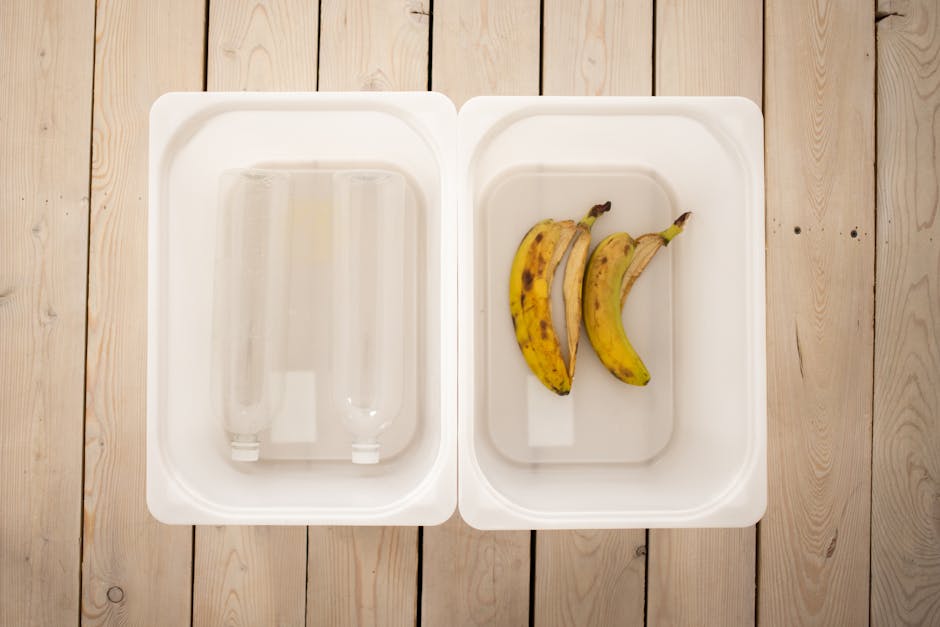
1. Separate the organic from the non-organic
Start with the flowers themselves. Most cut blooms, leaves, and stems can go into green waste or compost where local collection or on-site composting is available. Remove obvious contaminants first: cellophane, tape, wires, plastic tags, glitter, and non-compostable ribbons. This part is a bit fiddly, yes, but it makes the rest much easier.
2. Identify the floral foam type
Traditional floral foam is not the same as compostable plant matter. In many cases, it should be handled as general waste unless a specialist recycling route exists locally. Eco foam options are designed to reduce that problem, though the term can cover different materials. Some are biodegradable in industrial conditions, some are marketed as more environmentally considerate alternatives, and some are simply lower-impact than traditional foam.
That means you should never assume a foam block is compostable just because the packaging says "eco". Read the product details carefully. If the supplier does not state exactly how it should be disposed of, treat it as non-compostable until you know otherwise.
3. Keep clean recyclable packaging separate
Cardboard sleeves, clean paper, and some rigid packaging can often be recycled if they are dry and uncontaminated. Wet paper, tape-heavy wrap, and mixed-material packaging usually cannot. If you are handling flower delivery waste in a busy Mayfair setting, the easiest fix is to keep a small sorting station nearby. One bin for organics, one for recyclables, one for general waste. Nothing fancy. Just clear.
4. Decide whether to compost on-site or send it out
For private homes and small businesses, on-site composting may be possible if you already have a garden compost system or access to a local green bin. For larger venues, the better route is often a contracted waste service that accepts green waste. Either way, the key is consistency. Composting works best when materials are correctly sorted and kept free from plastic and synthetic decoration.
5. Choose future arrangements with disposal in mind
This is the bit many people skip. The easiest waste to manage is waste you avoid creating in the first place. If you know you will need cleaner recycling later, ask for arrangements built with simpler materials. A florist can often suggest designs that look elegant but use fewer mixed components. If you are browsing products, a flexible range like florist's choice arrangements or occasion-specific designs such as any occasion flowers can be a smarter fit than overcomplicated setups when disposal matters.
Key Benefits and Practical Advantages
Greener flower waste handling is not just about feeling virtuous. It genuinely makes operations smoother. And there are some surprisingly practical upside points.
- Less landfill waste: organic material can often be recovered instead of buried.
- Cleaner working spaces: separated bins reduce mixed rubbish, leaks, and smells.
- Better supplier choices: once you start asking about compostability, suppliers tend to become clearer about materials.
- Improved cost awareness: you notice which finishes and add-ons create waste that costs you more to clear.
- Stronger sustainability story: useful for corporate buyers, event planners, and hospitality teams.
- Easier repeat planning: once you know what worked, future orders become much simpler.
There is also a subtle benefit that people forget: better waste practices improve the overall discipline of the flower operation. A tidy end-of-day process tends to lead to better stock handling, fewer damaged items, and fewer "where did that foam block go?" moments. Those moments are never fun.
For customers ordering seasonal arrangements, the benefit may feel more modest, but it still matters. If you are sending flowers often, you probably care about the whole life of the arrangement, not just the delivery moment. In that case, looking at greener options alongside flower delivery in Mayfair W1K or even next-day flower delivery helps you make a more rounded decision.
Who This Is For and When It Makes Sense
This topic is not only for eco-conscious households. In practice, it suits anyone handling flowers in a way that creates repeat waste.
It makes sense for:
- Mayfair households receiving regular bouquets
- Florists managing everyday arrangements and event work
- Hotels, restaurants, and private clubs
- Corporate offices with reception flowers
- Wedding and event planners
- Funeral and tribute floristry teams
If you are in hospitality or events, the volume and pace can make waste sorting feel secondary. But that is exactly when it matters most. A wedding flower install at 7am, a corporate lunch by noon, and a breakdown by evening can create a lot of material very quickly. Without a plan, everything gets mixed. With a plan, it gets manageable.
For households, the trigger is usually simpler. Maybe a bouquet has lasted its best days and you are left with drooping stems on a Sunday evening. Maybe the kitchen counter has become a temporary flower graveyard. That is normal. Composting is a quiet fix for ordinary life, which is probably why it works so well.
It also makes sense if you are buying a lot of flowers with a particular purpose. Sympathy arrangements, wedding flowers, and seasonal displays often use more structure and more material. If you are choosing products with disposal in mind, designs from categories like funeral flowers, wedding flowers, or even luxury flowers may involve different packing and support materials, so asking about the finish is wise.
Step-by-Step Guidance
Here is a practical way to handle flower recycling without turning it into a half-day project.
Step 1: Unpack and inspect the arrangement
Take the bouquet or arrangement apart gently. Remove wrapping, bands, tags, water tubes, and any decorative items that clearly do not belong in compost. If you are not sure whether something is biodegradable, assume it is not until confirmed otherwise.
Step 2: Sort the plant material
Separate flowers, stems, leaves, and other organic matter. Trim away obviously contaminated sections if necessary. A little soil or petal residue is not a major issue, but synthetic mesh, plastic clips, or tape should be removed first.
Step 3: Handle foam carefully
If the arrangement uses floral foam, remove it intact if possible. Do not shred it into pieces by accident; the tiny bits are harder to manage and can spread around the work area. Eco foam should be treated according to the supplier's guidance. If no guidance is available, do not guess.
Step 4: Decide where the material goes
- Compost or green waste: petals, stems, leaves, and other organic flower waste
- Recycling: clean cardboard and suitable paper packaging
- General waste: foam, contaminated packaging, mixed decorations, and non-recyclable plastics
Step 5: Rinse and reset the workspace
Wipe down surfaces, empty the water containers, and clear out the sorting area. Small steps, yes, but they prevent smells and stop waste from building up. On a warm afternoon, a forgotten bucket can turn into a bit of a nuisance rather quickly.
Step 6: Review what could be avoided next time
Did you need the foam at all? Was the wrap over-packaged? Could you order a design with fewer mixed materials? This review takes five minutes and pays off in the next order. That is usually where the real improvement happens.
If you are planning repeat orders, it can help to work with a florist that understands both presentation and practical end-of-life handling. A local option like florist services in Mayfair can often guide you toward better material choices, especially for regular displays or business accounts.
Expert Tips for Better Results
Small changes make a big difference here. The best setups are not always the fanciest ones.
1. Ask about material composition before you order. If a floral foam product is called eco-friendly, ask what that actually means. Biodegradable? Industrial composting only? Lower plastic content? The difference matters.
2. Avoid over-decorating arrangements. Glitter, wired ribbons, plastic picks, and novelty add-ons all complicate disposal. They can look charming at the front end, then become a bit of a headache later. A classic case of "looks lovely, clears badly".
3. Keep a waste station near the unpacking area. If the bin is across the room, items will get mixed. If it is next to the worktop, sorting happens naturally.
4. Standardise the process for staff. In an office, hotel, or event environment, write a short waste-sorting routine and keep it visible. Not glamorous, but effective.
5. Choose arrangements with fewer mixed media elements. Simpler designs are easier to compost and usually easier to reuse or recycle partially.
6. Match the arrangement to the occasion. A wedding centrepiece may need a different sustainability plan than a weekly reception bouquet. If you know the event type in advance, you can plan the waste route too.
7. Think seasonally. Seasonal flowers often need less intervention to look good, and the arrangement can be built with fewer supporting materials. That helps with both waste and cost. Nice when both line up for once.
Common Mistakes to Avoid
Most problems here come from one thing: assuming all floral waste is the same. It is not.
- Putting everything in one bin: this is the fastest way to make composting impossible.
- Assuming all "eco" foam is compostable: some products need special processing, and some still do not belong in compost.
- Leaving water-soaked packaging in recycling: wet cardboard and paper often become unsuitable.
- Forgetting small plastic parts: tags, tape, and stems ties are easy to miss.
- Using too much floral foam by default: many arrangements can be built with less support than people think.
- Not checking local collection rules: green waste acceptance can vary by service, so confirm what is actually allowed.
A subtle but common issue is contamination by dyes, glitter, or heavily treated decorative materials. These can make organic waste less suitable for composting. If you work with event floristry, keep an eye on the less obvious details. They are the bits that catch people out.
Also, do not let perfect become the enemy of useful. If you can compost the organic portion and safely separate the rest, that is still a solid improvement. You do not need to solve the whole waste world in one arrangement.
Tools, Resources and Recommendations
You do not need specialist equipment to do this well, but a few practical tools help a lot.
- Clearly labelled bins: separate organics, recyclables, and general waste.
- Scissors or secateurs: for cutting stems and removing tangled materials cleanly.
- Small sorting trays or crates: useful when unpacking multiple bouquets at once.
- Compost caddy or green waste container: handy for homes and small workspaces.
- Disposable gloves: useful for larger clean-downs, though not essential every time.
- Supplier notes: keep short records of which foam, wrap, or packaging types were used.
On the purchasing side, it helps to choose floristry styles that naturally create less difficult waste. Mixed bouquets can be lovely, of course, but if you are trying to reduce end-of-life hassle, simpler stems and cleaner presentation can be easier to manage. You might also find that a local ordering pattern, such as sending flowers in Mayfair through a florist familiar with your needs, gives you better control over what arrives and how it is packed.
For regular buying, it is worth checking the broader service information too. Pages such as delivery details, guarantees, and about the business can help you understand how the service is run and what level of care you can expect. That matters when you are comparing suppliers for repeat orders.
Law, Compliance, Standards, or Best Practice
This area is less about one dramatic rule and more about sensible, responsible handling. In the UK, flower waste usually falls into ordinary business and household waste streams unless a local collection service or specialist contractor provides a separate route. The exact rules can depend on the material, the waste carrier, and the local collection setup, so treat this as a practical area to confirm rather than something to guess at.
For businesses, especially in hospitality or events, the best practice approach is straightforward:
- sort waste at source where possible
- do not mix food waste, plastics, and flowers if you can avoid it
- check whether your waste contractor accepts green waste
- keep records of waste handling procedures where relevant
- train staff in simple separation habits
If you are using eco foam, be careful with any disposal claims. "Biodegradable" does not automatically mean home compostable, and "compostable" may still refer to industrial conditions only. That distinction matters. Honestly, it is one of those areas where a good label can still be a bit slippery.
For public-facing businesses in Mayfair, best practice also means keeping your sustainability messaging accurate. Avoid overclaiming. Say what you actually do. If you compost the flowers and separate packaging, say that. If eco foam is used but must go in general waste, say that too. Clear beats clever every time.
Options, Methods, or Comparison Table
Different waste routes suit different setups. Here is a practical comparison.
| Option | Best for | Pros | Limitations |
|---|---|---|---|
| Home composting | Households with garden compost access | Low-cost, simple, good for clean organic matter | Not suitable for foam, plastic, or contaminated materials |
| Green waste collection | Homes and businesses with municipal or contractor support | Convenient, scalable, handles more volume | Depends on local acceptance rules and collection schedules |
| Eco foam alternatives | Florists and event teams looking to reduce impact | Can lower reliance on traditional foam, sometimes easier to plan around | Disposal rules vary; not all eco foams are compostable |
| Traditional floral foam | High-shape-control arrangements | Familiar, easy for certain designs | Usually harder to recycle, often ends up as general waste |
| Simpler foam-free mechanics | Designs that can be built with wire, tape, vessels, or natural supports | Less waste, often easier to sort after use | May require more planning or different design skill |
In many cases, the best answer is a blend. For example, a hotel may use long-lasting vase arrangements for reception areas and switch to foam-free or lower-waste designs for smaller events. A household might compost stems and recycle packaging, while treating any remaining foam separately. That is perfectly sensible.
Case Study or Real-World Example
Picture a small Mayfair office with weekly reception flowers. The arrangement arrives every Monday morning, clean and polished, usually in a vase or a wrapped bouquet. By Friday, the blooms are tired. The usual habit had been simple: throw everything in one bin and move on.
After a few weeks of that, the team noticed two things. First, the waste bin smelled earlier than it should. Second, the recycling bin kept getting rejected because it was contaminated with wet stems and wrap. Not a disaster, just messy.
So they changed the process. The reception team kept a small caddy for organic matter, a separate box for clean cardboard and paper, and a clear note on the cupboard door about foam and mixed packaging. The florist also agreed to use simpler packaging and fewer decorative extras. Nothing dramatic. Just tidier.
Within a couple of delivery cycles, the whole thing became easier. Waste moved out faster. The bins stayed cleaner. Staff stopped wondering which bits were compostable and which were not. Most importantly, the office could actually see what it was doing, which sounds small but really changes behaviour.
That is the quiet value of good flower recycling. It does not need to be flashy. It just needs to work.
Practical Checklist
Use this checklist when sorting flowers or planning a new order.
- Have I separated flowers, stems, and leaves from packaging?
- Did I remove tape, tags, ties, and plastic supports?
- Is the floral foam traditional foam or an eco alternative?
- Do I know exactly how that foam should be disposed of?
- Are the paper and cardboard parts clean and dry enough to recycle?
- Is there any glitter, wire, or mixed decoration that needs general waste?
- Do I have a compost or green waste route for the organic material?
- Could the next arrangement use fewer mixed materials?
- Have I checked any supplier guidance before throwing the foam away?
- Can I make the waste process simpler next time?
If you can tick most of those boxes, you are already doing better than many people. Seriously. The standard is often lower than it should be.
Conclusion
Mayfair flower recycling: composting & eco foam options is really about making beautiful things easier to manage at the end of their life. That sounds modest, but it has real value. Compost the natural material where you can, separate packaging properly, and treat eco foam with caution until you know exactly what it is made of and how it should be disposed of.
The best approach is practical rather than perfect. Build simple sorting habits. Choose arrangements with cleaner end-of-life outcomes where possible. Ask better questions before ordering. And if you work with flowers regularly, make waste handling part of the design brief, not an afterthought. You will notice the difference pretty quickly.
Get a free quote today and see how much you can save.
Frequently Asked Questions
Can flower stems and petals really be composted?
Yes, in many cases they can. Clean stems, petals, and leaves are typically suitable for composting or green waste collection, as long as they are not heavily contaminated with plastic, tape, or synthetic decoration.
Is eco foam the same as compostable foam?
Not always. "Eco foam" is a broad term, and the disposal route can vary. Some products are designed to reduce impact but still need specialist processing, while others may be suitable for industrial composting only.
What should I do with traditional floral foam?
Traditional floral foam usually should not go into compost. In many situations it belongs in general waste unless a supplier or local waste service gives different instructions.
Can I put all flower packaging in the recycling bin?
No. Only clean, dry, and suitable packaging should go into recycling. Wet paper, tape-heavy wrap, mixed-material sleeves, and contaminated items often need to go in general waste.
Is it better to buy foam-free arrangements?
Often, yes, if waste reduction is a priority. Foam-free designs can be easier to compost and sort afterwards, though the best choice depends on the arrangement style and the occasion.
How do I know whether a floral product is truly sustainable?
Look for clear material details rather than vague labels. Ask what the product is made from, how it should be disposed of, and whether any part of the arrangement creates difficult waste.
Can businesses in Mayfair use green waste collections for flowers?
Often they can, but it depends on the local service or waste contractor. It is best to confirm what is accepted before setting up your disposal process.
Are water-soaked flower wraps recyclable?
Usually not if they are damp or contaminated. Dry, clean paper may be recyclable, but soggy wraps and mixed packaging generally lose that status.
What is the easiest way to start composting flower waste?
Start small. Separate the organic material from everything else, use a clearly labelled bin or caddy, and make sure staff or household members know what belongs where.
Do funeral and wedding flowers need different recycling steps?
Sometimes they do, because these arrangements often include more structure, ribbon, and decorative material. The core idea is the same, but there may be more sorting involved.
Is composting floral waste safe indoors?
It can be, if the waste is managed properly and removed regularly. The main issues are smell and moisture, so keep the container clean and do not let waste sit for too long.
Should I ask my florist about composting before I order?
Yes, absolutely. A quick question before ordering can save a lot of confusion later. It also helps you choose arrangements that fit your disposal preferences and sustainability goals.
Sometimes the greenest choice is simply the most thoughtfully sorted one, and that is a very human thing to get right.